
Jujube: A Traditional Tonic for Blood Nourishment and Women’s Health
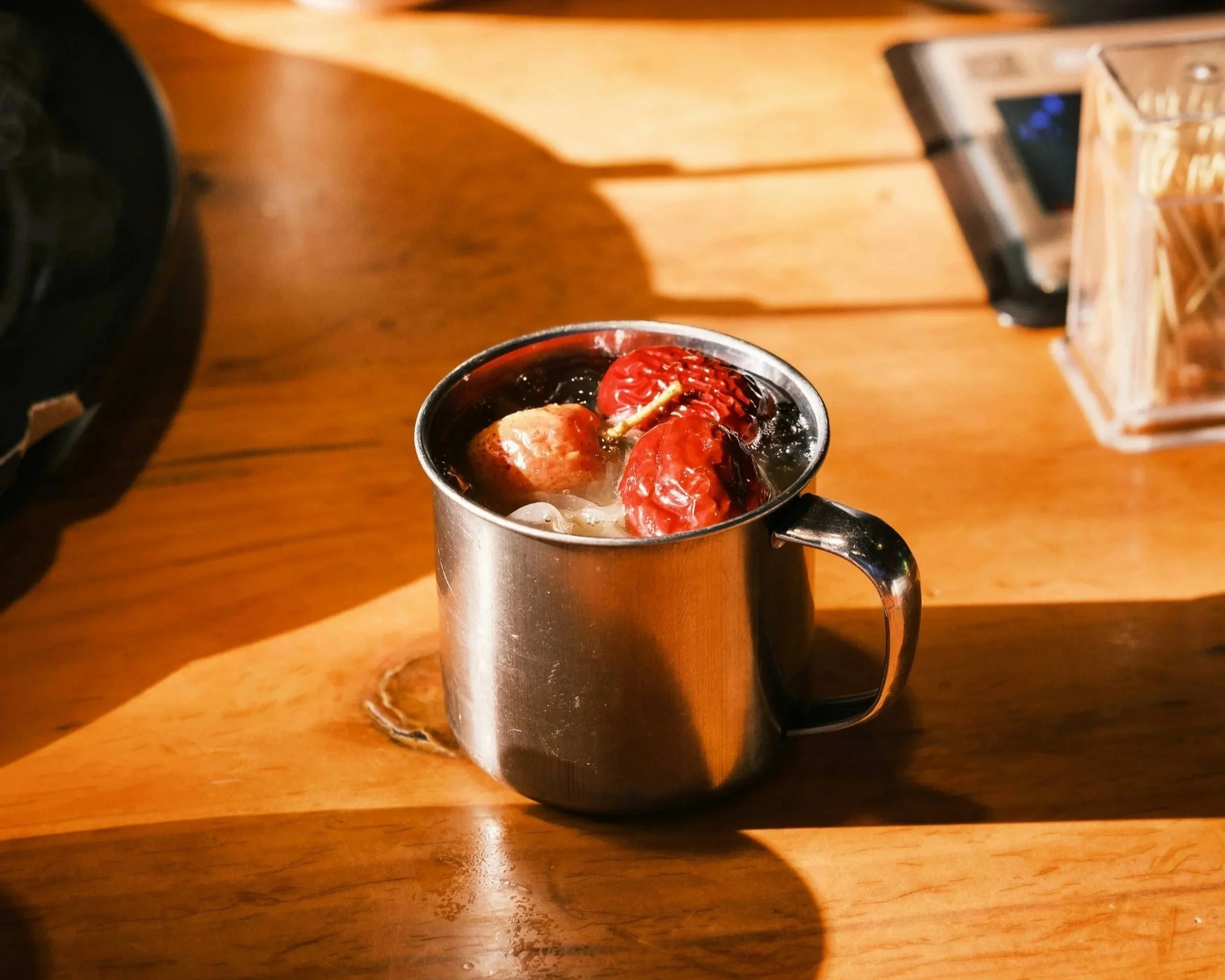
For centuries Jujube (Ziziphus jujuba), often called red dates or Chinese dates, has been used in Traditional Chinese Medicine as a gentle tonic to support energy, nourish blood, and strengthen the body.
In traditional herbal practice, jujube is especially valued for supporting women’s health, helping the body recover from fatigue, menstrual blood loss, and periods of depletion.
Rich in iron, vitamin C, minerals, and plant compounds, jujube has long been considered a simple but powerful food for restoring balance.
Understanding Blood Deficiency
In Traditional Chinese Medicine, blood deficiency is a common term, particularly for women.
It may appear as symptoms such as:
fatigue or low energy
dizziness or light-headedness
pale complexion
dry skin or hair loss
irregular or light menstrual cycles
Because menstruation naturally depletes blood each month, women are often more prone to this pattern, especially during periods of stress, poor digestion, or after illness.
Foods that nourish and rebuild blood are therefore an important part of traditional dietary therapy.

In Traditional Chinese Medicine, blood is considered a vital substance that nourishes the body, mind, and organs. When blood becomes deficient, the body may show subtle signs that it needs deeper nourishment.
5 Signs of Blood Deficiency (According to Traditional Chinese Medicine)
Some common signs include:
1. Persistent fatigue
Feeling tired even after rest, or lacking the strength and motivation for daily activities.
2. Dizziness or light-headedness
Especially when standing up quickly or during menstruation.
3. Pale complexion or lips
A lack of healthy color in the skin, lips, or inner eyelids.
4. Dry hair and skin
Hair may become brittle or thin, and skin may feel dry or less vibrant.
5. Irregular or light menstrual cycles
For many women, blood deficiency can appear as lighter periods, delayed cycles, or increased fatigue after menstruation.
Because women naturally lose blood during their monthly cycle, supporting blood nourishment through food, rest, and herbal tonics such as Jujube has long been considered an important part of maintaining balance and vitality.
How Jujube Supports Blood Nourishment
Stimulating blood production
Research suggests that compounds found in jujube may support erythropoiesis, the process by which the body produces new red blood cells. This may help improve circulation and support recovery from fatigue.
Supporting iron absorption
Jujube naturally contains iron as well as high levels of vitamin C, which helps the body absorb iron more effectively.
Supporting digestion
In Traditional Chinese Medicine, the Spleen and Stomach systems are responsible for transforming food into blood and energy.
Jujube is traditionally used to strengthen digestion, helping the body absorb nutrients more efficiently and gradually rebuild vitality.
Jujube and Hormonal Balance

Beyond nourishing blood, jujube is often described as a herb that “calms the spirit.” - in Shiatsu and Tao philosophy called SHEN. This means it supports both the nervous system and hormonal balance. We know these days how much are those are related and important.
Supporting menstrual health.
By nourishing blood and body fluids (known as Yin in TCM), jujube may help support a healthy uterine lining and promote more regular menstrual cycles.
Reducing PMS symptoms
Jujube contains nutrients such as magnesium and vitamin C, which may help ease tension, irritability, cramping, and sleep disturbances commonly associated with PMS.
Supporting women during menopause
Research suggests that jujube may improve sleep quality and reduce anxiety in peri/post -menopausal women, making it a natural support during hormonal transition.
Some studies also indicate potential phytoestrogen-like activity, meaning compounds in jujube may help support hormonal balance when estrogen levels decline.
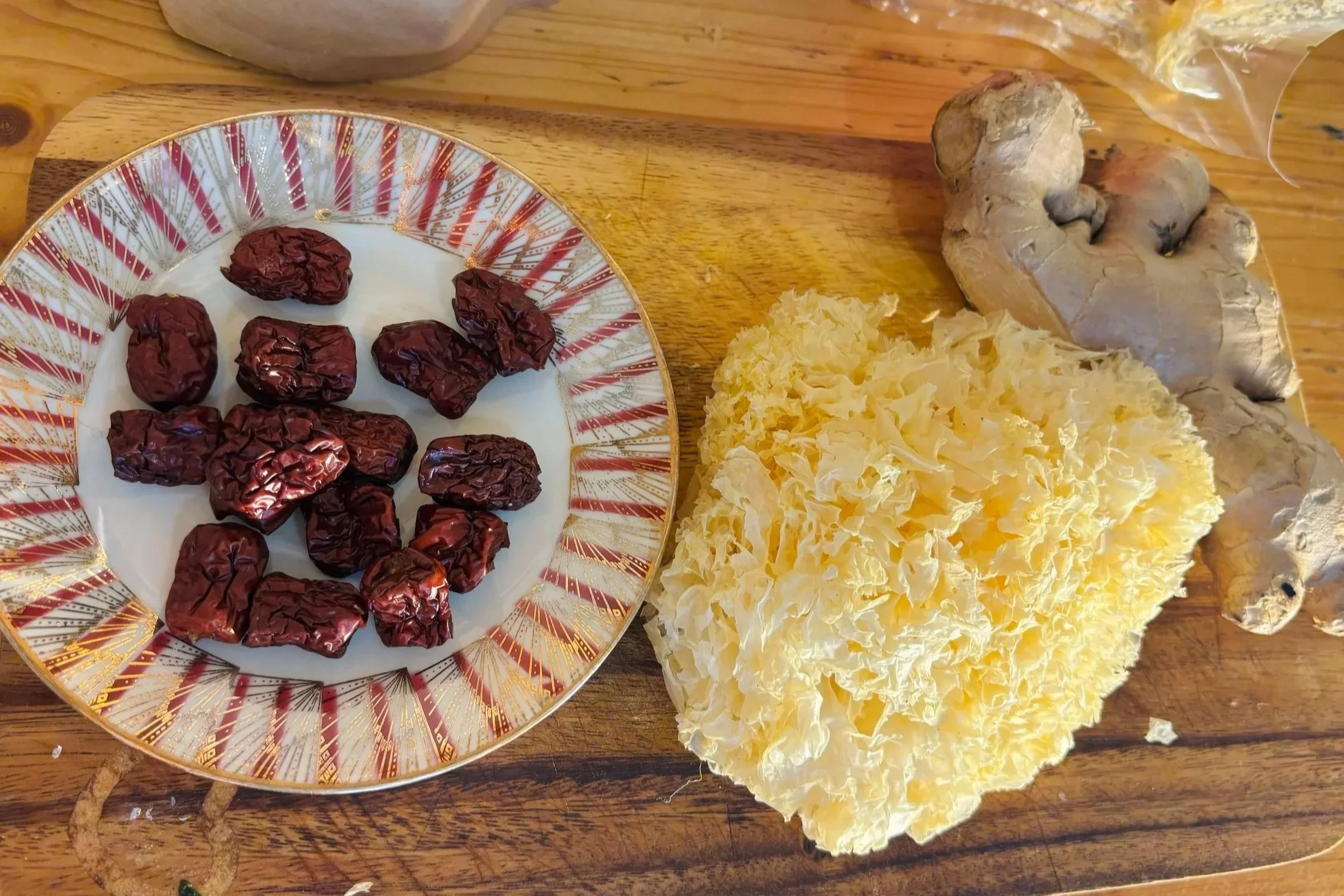
Nourishing Desserts
In Chinese cuisine, jujube is often combined with ingredients such as Snow Fungus, which is valued for supporting skin hydration and collagen production.
You can find my Jujube & Snow Fungus dessert recipe here → (link to your recipe blog).
Simple Ways to Use Jujube
Jujube is traditionally prepared in ways that enhance its nourishing properties.
Jujube Tea
Dried jujubes (about 7–10 pieces) are simmered in water to create a mildly sweet tea. Often Goji Berry ( another wonderful blood booster ) or ginger are added to further support circulation and energy. Idealyl cooked on low heat , long time - to 1 hr.
Soups and Tonics
Jujube is frequently added to broths or herbal soups to nourish the body during recovery or seasonal transitions.
Daily nourishment
Even eating a few dried jujubes daily can gently strengthen the body over time.
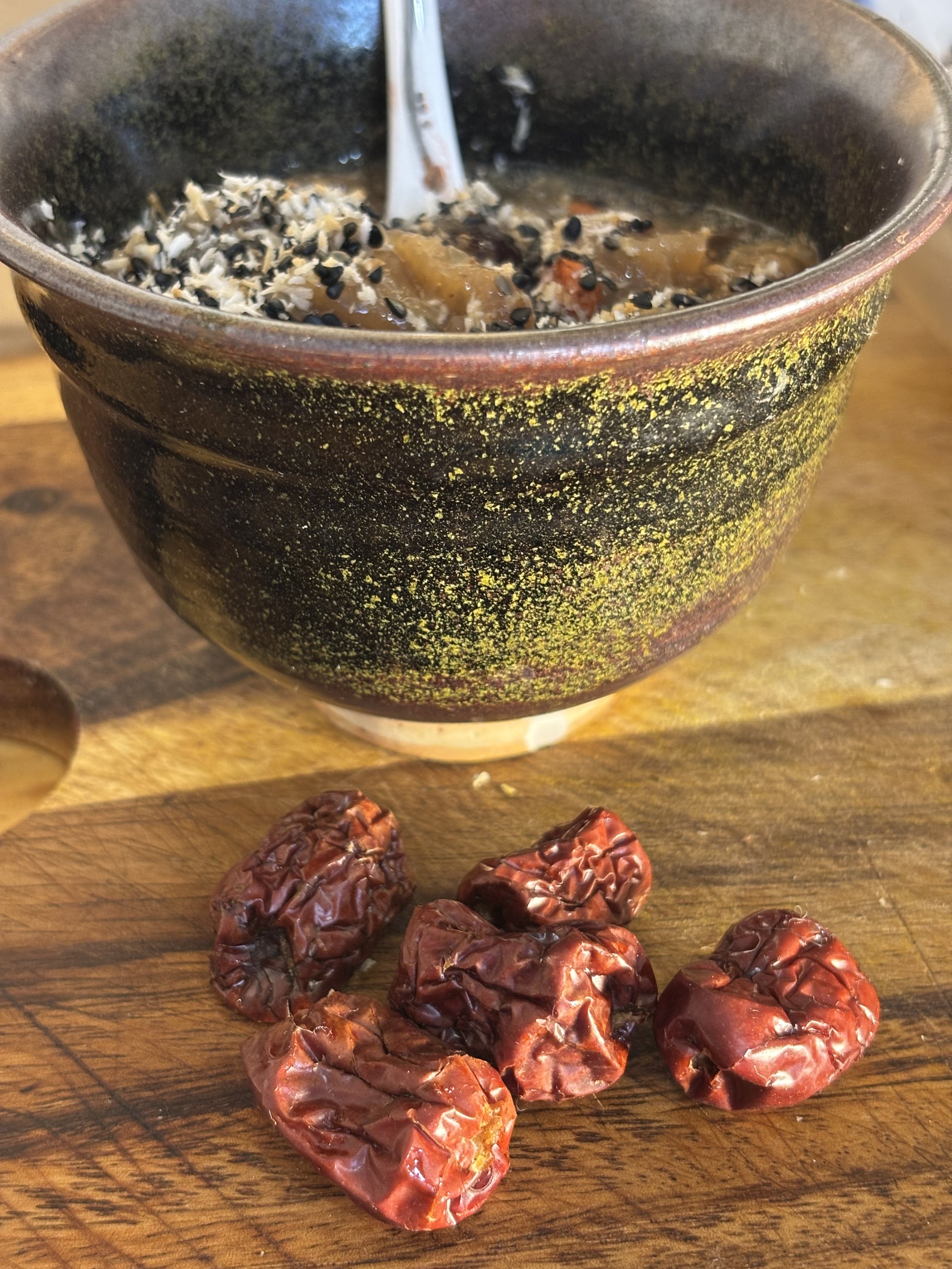
This is my last version of jujube snow fungus recipe - warm dessert with ginger and cinnamon.
Simply click on the picture to get recipe <3
