
Seed Cycling: A Natural Way to Support Hormonal Balance
There was a moment few years ago, when I began to feel the first subtle shifts in my body.
Not dramatic, but noticeable. My energy was different. My rhythms were changing.
It was the beginning of my journey into perimenopause.
Like many women, I started to look for ways to support my body naturally.
Throughout my life, I have always turned to food and nourishment as a way to heal and rebalance—and this time was no different.
That’s when I first discovered seed cycling.
Why Seeds?
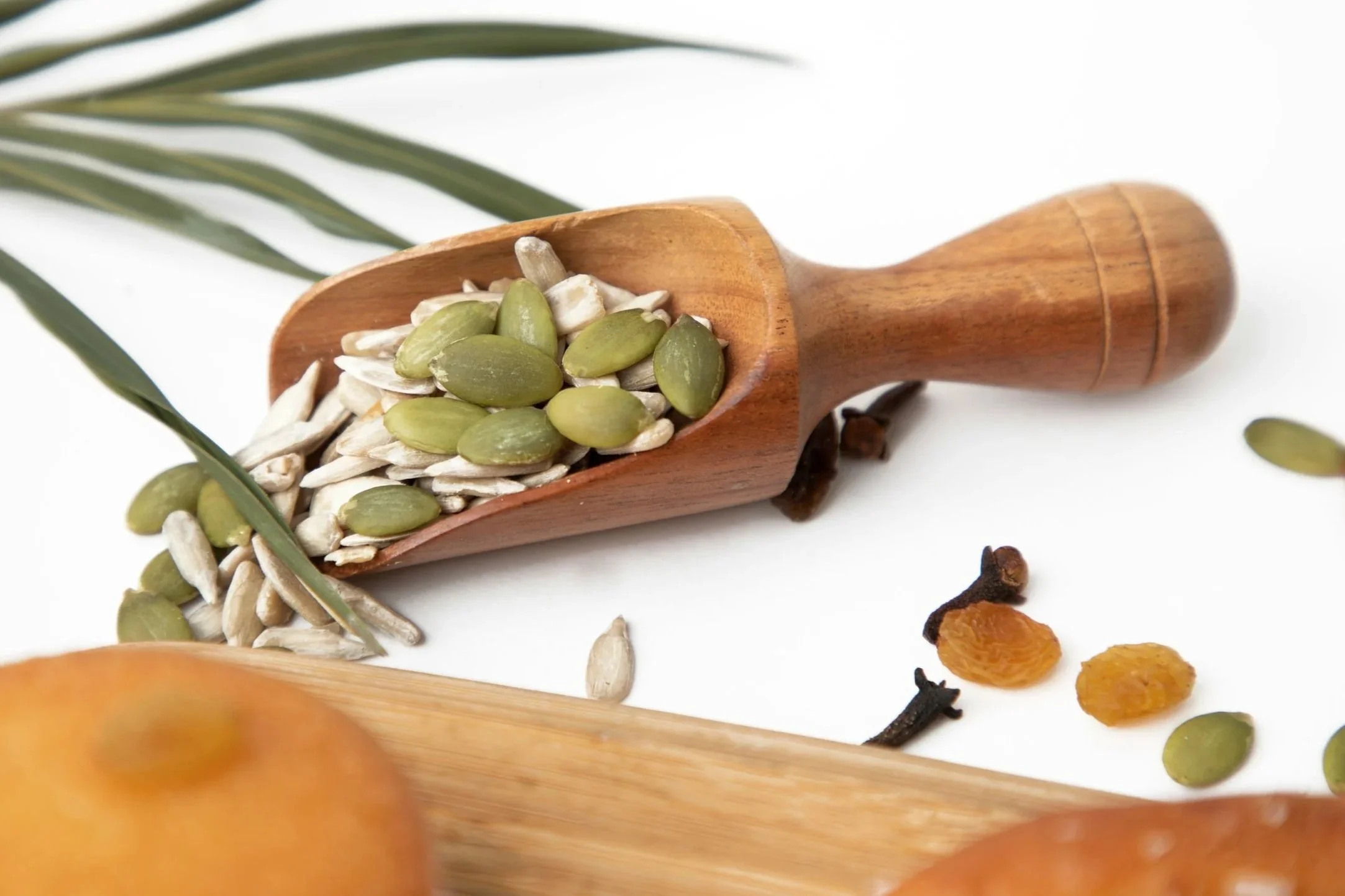
Seeds may seem simple, but they are deeply nourishing.
They contain:
Healthy fats → essential for hormone production
Fiber → supports detoxification of excess hormones
Minerals (zinc, selenium, magnesium) → key for endocrine balance
From a more holistic perspective, seeds carry the potential for life.
They are concentrated sources of energy and intelligence—offering the body exactly what it needs in a very natural way.
What Is Seed Cycling?
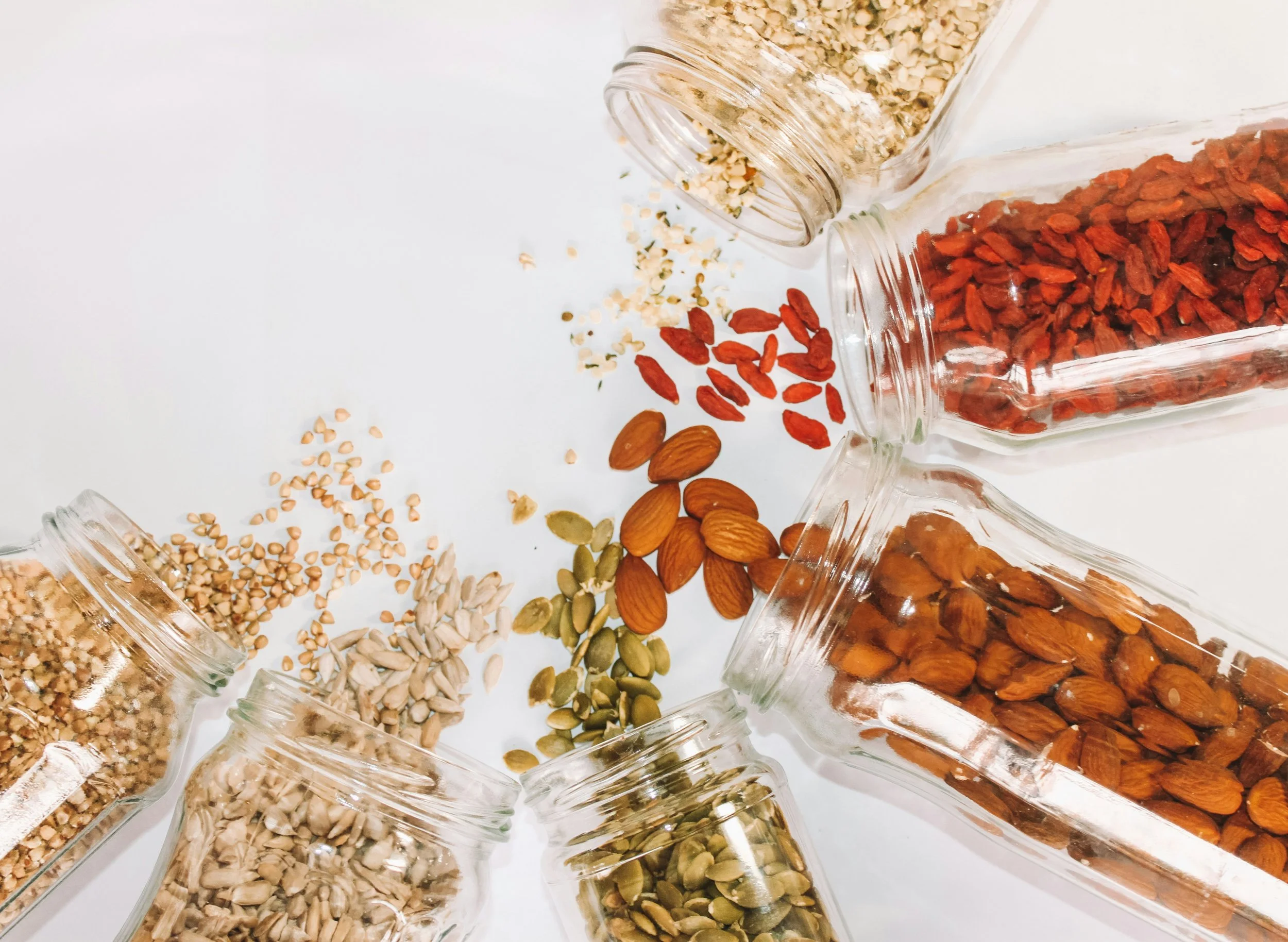
Seed cycling is a simple, food-based practice that uses specific seeds to support the body during different phases of the menstrual cycle.
It works with four main seeds:
Flax seeds
Pumpkin seeds
Sesame seeds
Sunflower seeds
Each of these seeds contains nutrients that can help support hormone production and balance—especially estrogen and progesterone.
How It Works:
Traditionally, seed cycling follows the natural rhythm of the menstrual cycle:
Follicular Phase (Day 1–14)
From the first day of your period until ovulation:
1 tablespoon flax seeds
1 tablespoon pumpkin seeds
These seeds are rich in:
Lignans → support healthy estrogen levels
Zinc → supports hormone production and ovulation
Luteal Phase (Day 15–28)
After ovulation until your next cycle:
1 tablespoon sesame seeds
1 tablespoon sunflower seeds
These support:
Progesterone production
Liver detoxification of excess hormones
Stable energy and mood
The claim that these seeds support stable energy and mood is tied to the way they help maintain a steady balance between estrogen and progesterone. High progesterone is naturally calming, while effective liver detox prevents the irritability and bloating often associated with excess estrogen.
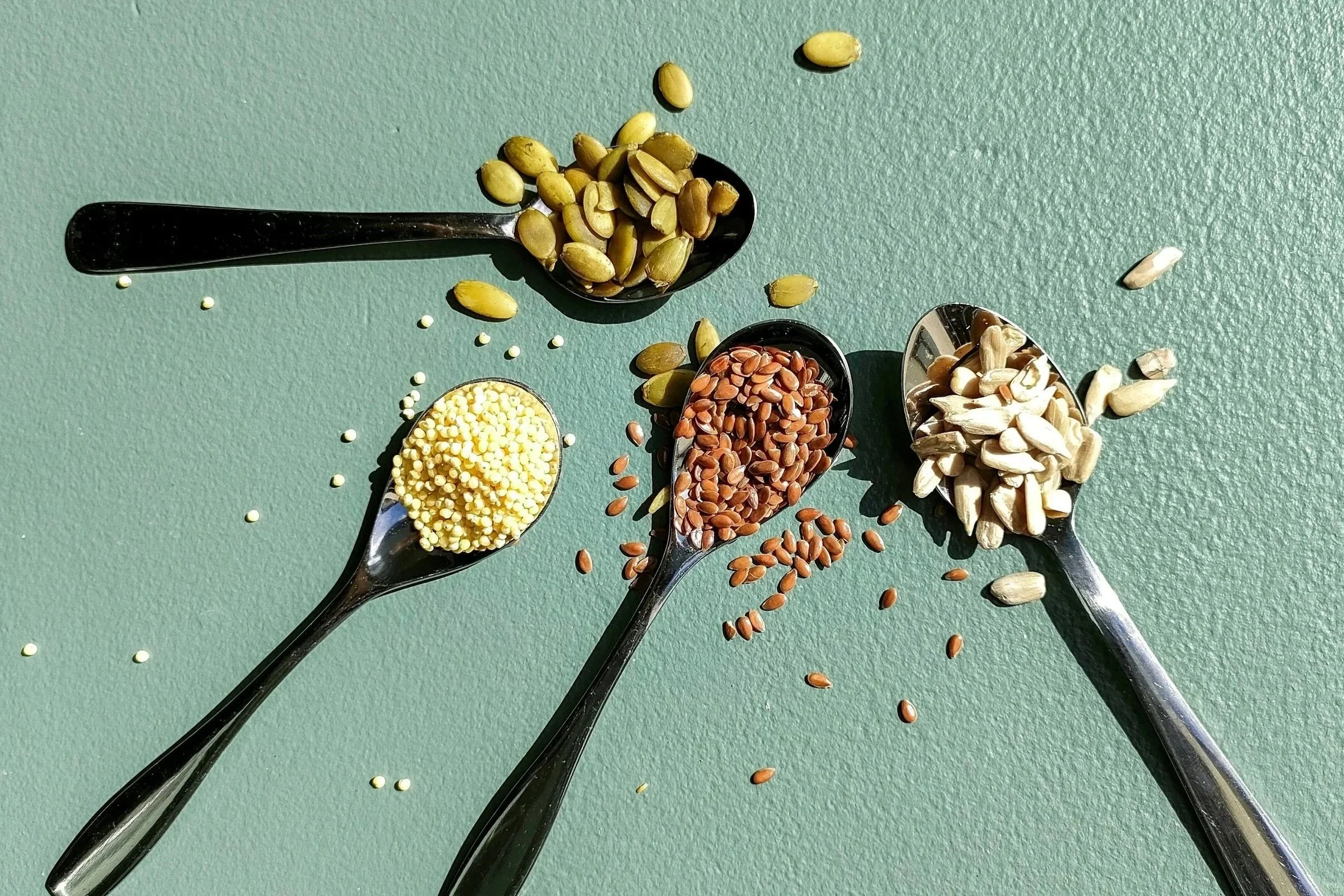
(1 tbsp daily): and why they are supportive?
Lignans, which act as phytoestrogens. They can help modulate estrogen by either mimicking it when levels are low or binding to excess estrogen to help eliminate it from the body.
Zinc, which is essential for hormone production and supporting healthy ovulation. Zinc also plays a role in preparing the body for the progesterone rise that happens in the second half of the cycle.
Vitamin E: Especially Sunflowers seed - these are high in Vitamin E, which is believed to directly boost progesterone production and improve blood flow to the uterus.
Selenium for Detox: a trace mineral that supports liver detoxification. This helps your liver filter out spent hormones so they don't recirculate in your system.
Grinding is Key: Just like flax, sesame seeds have a tough outer hull; grinding them (even in a small coffee grinder) significantly increases your body's ability to absorb the nutrients.
Raw and Fresh: Use raw, unsalted seeds and store them in the refrigerator to keep their delicate oils from going rancid.
BUT! : If you have digestion issues, read on to learn how to prepare the seeds in a way that unlocks their benefits while staying gentle on your stomach.
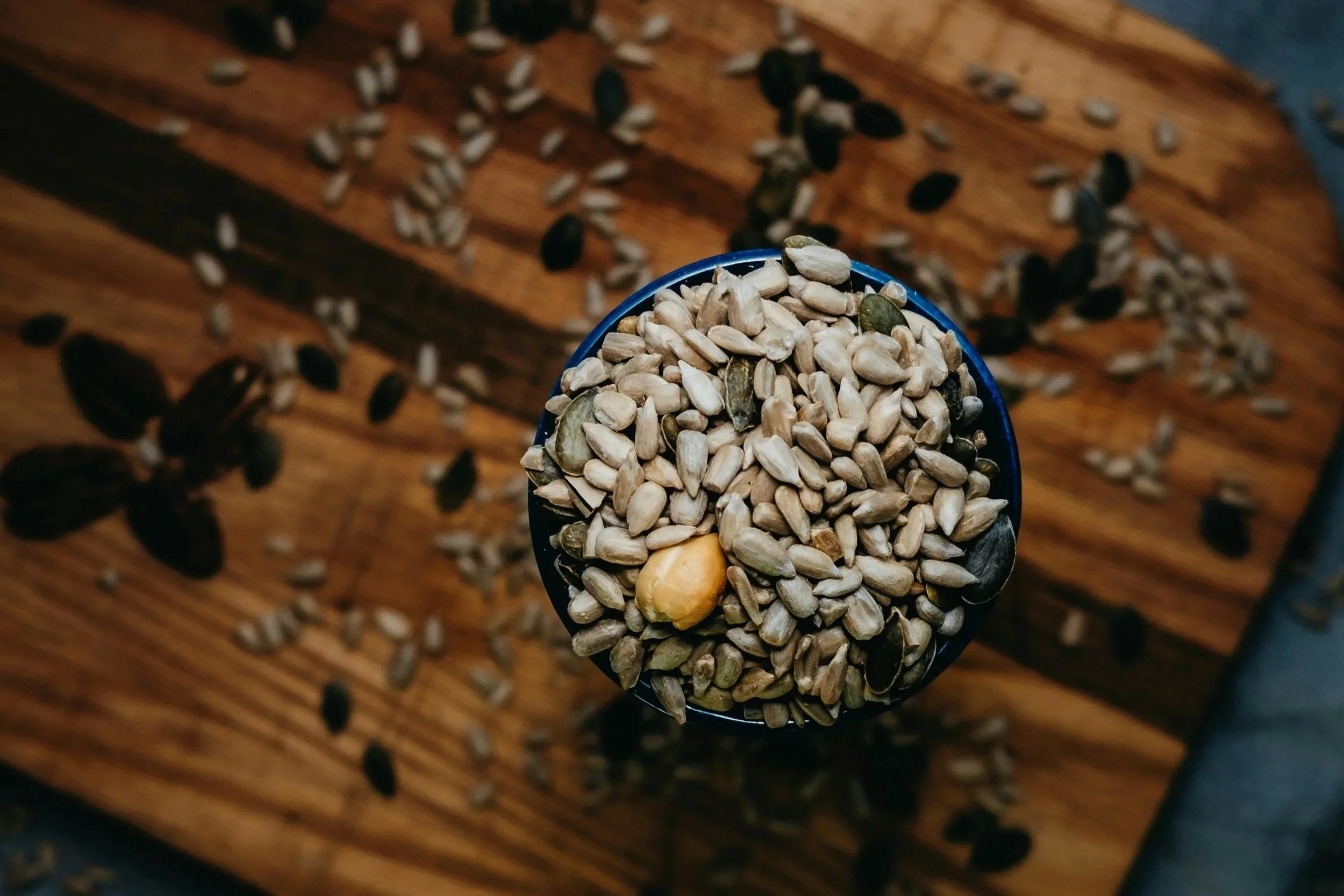
In both Traditional Chinese Medicine (TCM) and Ayurveda, seeds are viewed as "potential life" that requires proper preparation to unlock their medicinal energy (Prana or Qi ) and protect your "digestive fire" (Agni or Spleen Qi).
Here are deeper ways to prepare your seeds based on these traditions:
1. Dry Frying (The TCM Method for "Warming")
In Chinese medicine, "dry frying" ( chao) changes the energetic property of a seed from cooling/raw to warm and moving.
Why it helps: Raw seeds can be "damp" and heavy, which may overwhelm a weak digestive system (Spleen deficiency). Lightly toasting them until they smell nutty makes them "aromatic," which TCM practitioners believe "awakens" the Spleen to digest better.
Best for: Sesame seeds (especially black) and Pumpkin seeds.
Tip: If you feel cold easily or have loose stools, always dry fry your seeds briefly before grinding them.
2. Soaking (The Ayurvedic Method to "Remove Ama")
Ayurveda often recommends soaking seeds to remove "anti-nutrients" like phytic acid, which can cause gas and bloating (imbalance).
Why it helps: Soaking "activates" the seed, making it a living food that is easier for the body to recognize as nourishment. It removes the bitter tannins in the skin that can block nutrient absorption.
How to do it: Soak your seeds for 4–8 hours (overnight is easiest), then rinse them thoroughly.
Best for: Sunflower and Pumpkin seeds.
3. Warm Infusions & Milks
Instead of just eating dry powder, you can turn your seeds into a "tonic."
Sesame Milk : soak sesame seeds overnight, blend with warm water, and strain. Ayurveda considers this a rejuvenative tonic for bones and hormones.
Warm Sprinkle: Never eat your seeds straight from the fridge. Ayurveda suggests they should be at room temperature or warm to avoid "extinguishing" your digestive fire.
How to Start
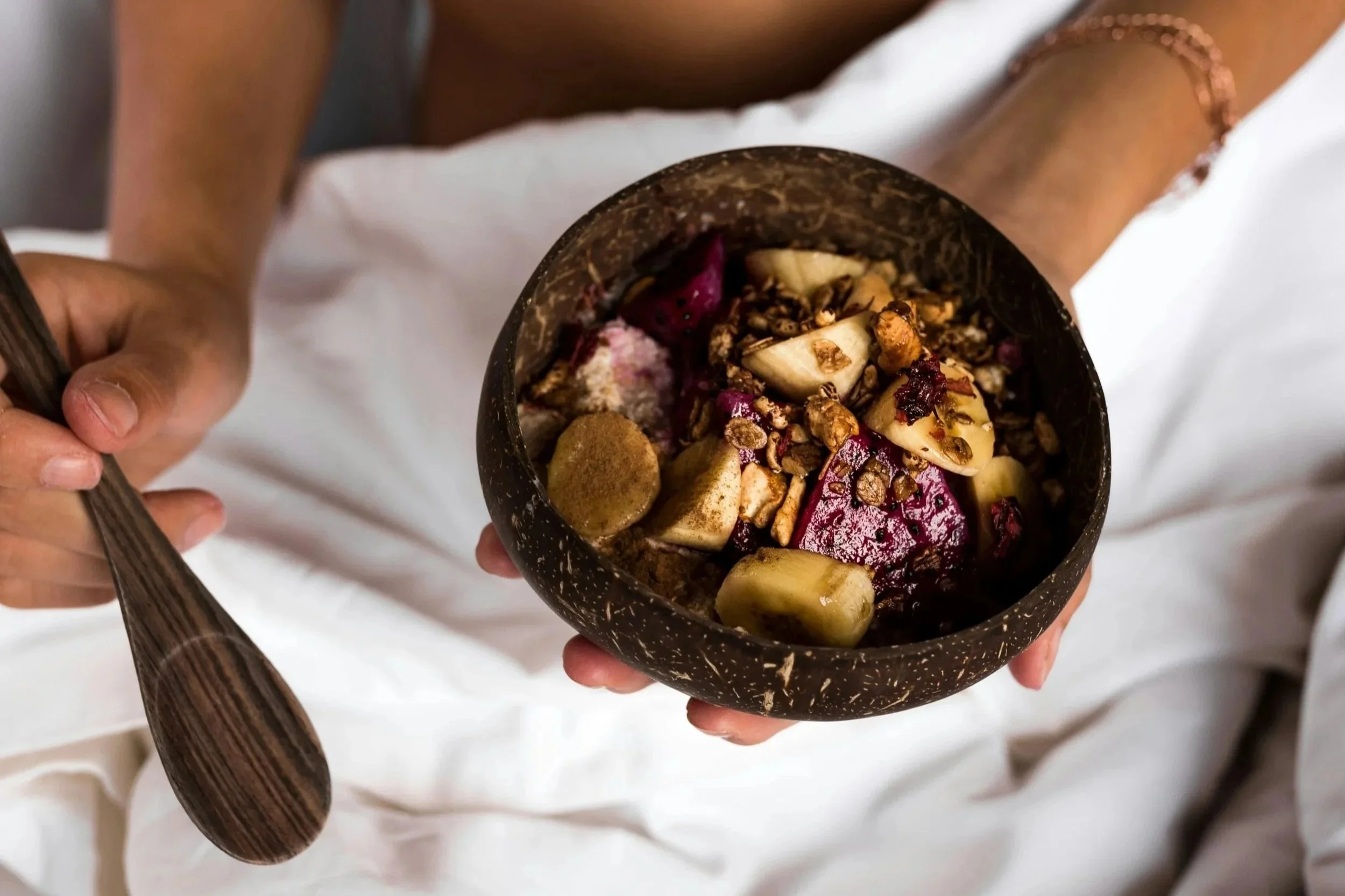
You can begin very simply: Add seeds to your breakfast (porridge, smoothie, yogurt). Sprinkle them over salads or warm meals. Or prepare them in nourishing recipes.
Consistency matters more than perfection.
A Personal Reflection
For me, discovering seed cycling was not just about hormones at that time. It was about coming back into relationship with my body. Instead of trying to control or “fix” symptoms, I began to support my system gently, consistently, and with awareness.
This is where real change happens.
Not through extreme diets or quick solutions—but through small, daily practices that nourish over time.
Final Thoughts
As women in perimenopause, we each have a unique relationship with our bodies, and we experience changes in our own way. Seed cycling is a practice that invites you to slow down, tune in, and listen to your own body’s cues. Each of us responds differently, so think of this as a ritual of self-care and self-love. Try it, pay attention to how you feel, and if something doesn’t work, or if your symptoms feel overwhelming, know that it’s okay to seek professional support.
When we connect through food, when we consciously care for our nutrition, we create a simple, natural bridge to understanding ourselves better. Let this practice be your guide—one small step toward knowing, honoring, and nurturing your changing body.
Not as a quick fix—but as a steady, grounded way to care for yourself.
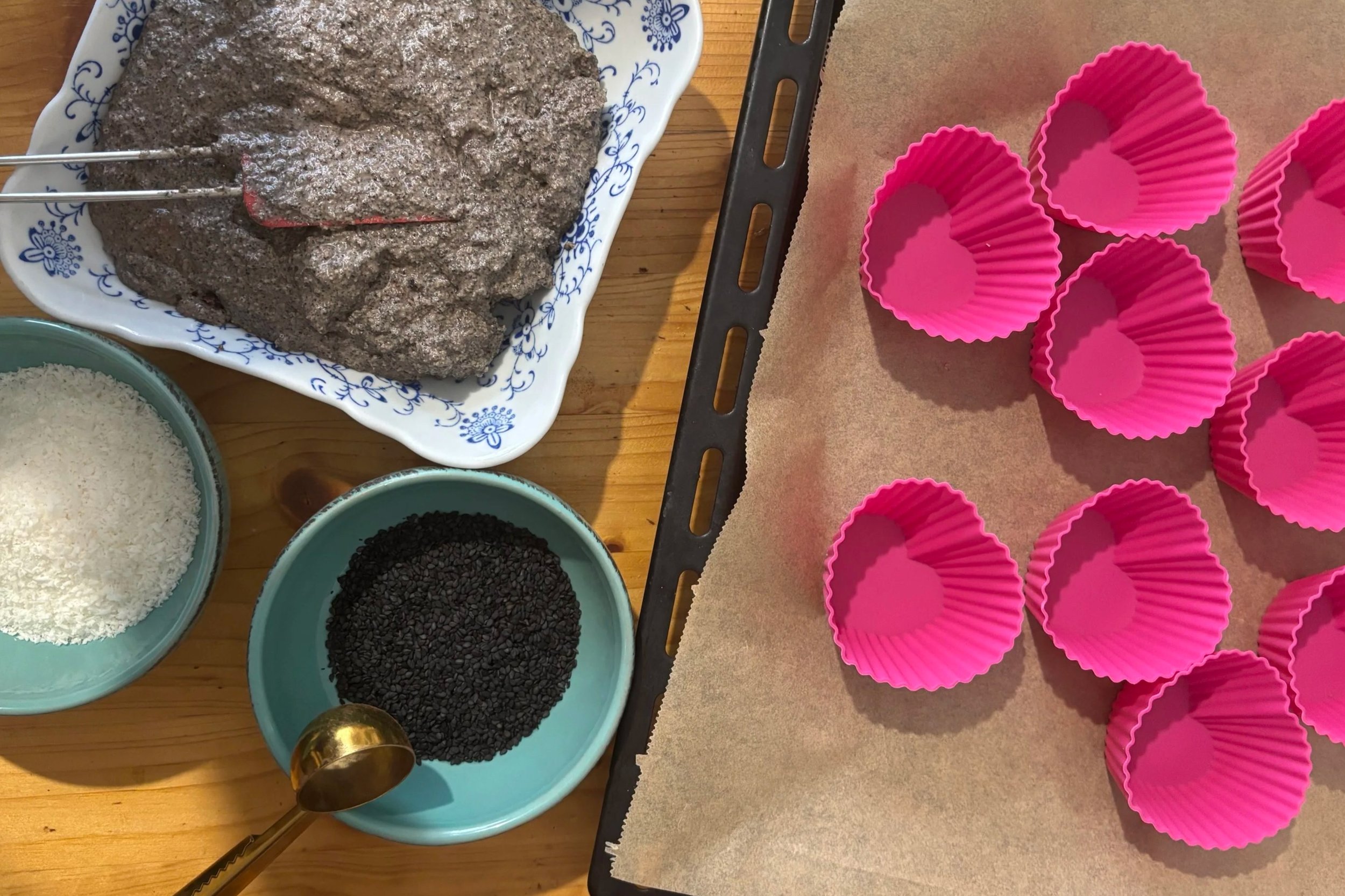
Stay connected—I’ll be sharing my current favorite black sesame coconut “muffin” dessert with you next time.
I’d love to hear from you—your experience, your thoughts, and how your body responds. I’m always happy to read you and truly curious about how you are doing on your journey.
